


How to Protect Leave Out?

My leave-out suffered for the longest time until I realized I had been doing everything wrong. While it gave me a beautiful, natural-looking style with my hair extensions and wigs, it eventually started to break and weaken, which led me to cut my hair completely at the time. That wasn’t the best decision I could have made, but I needed a fresh start.
Well, I wouldn’t want you to go through the same experience, so in this post, let’s take a look at how you can properly protect your leave-out. Here, you’ll learn how to keep your leave-out hydrated, healthy, and protected.
What is Leave Out Hair?

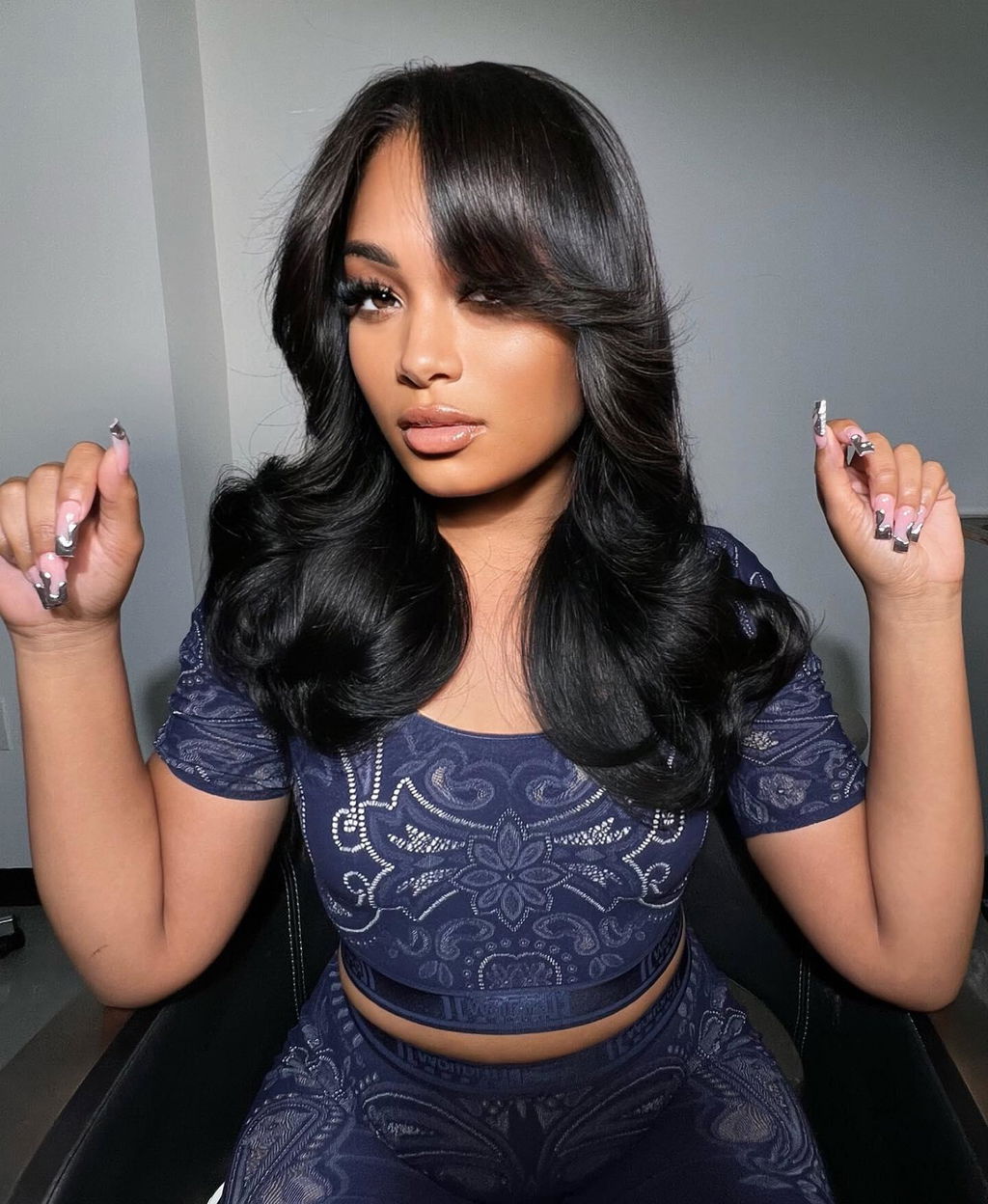
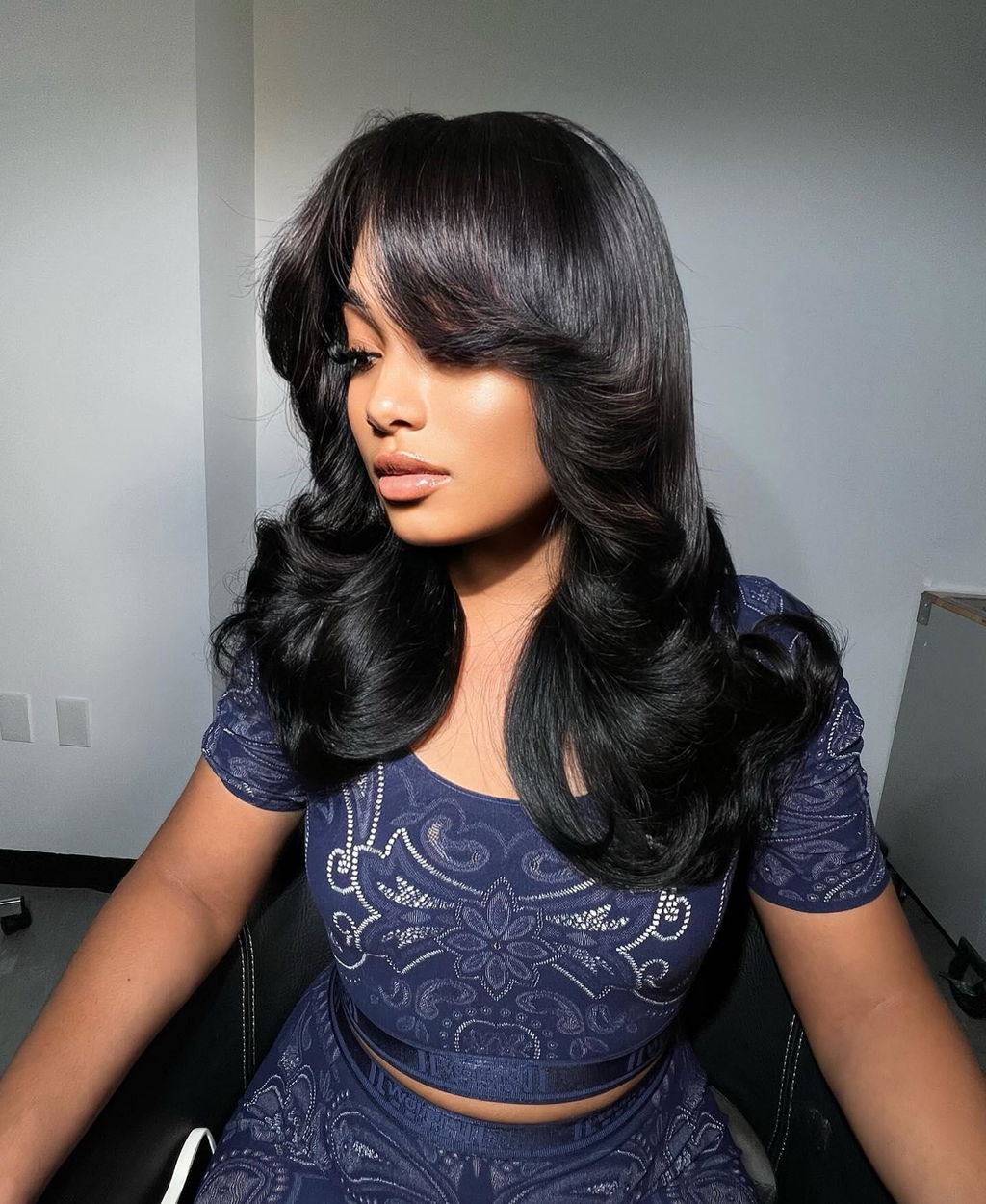
Leave out is just as the name implies. It is a section of your natural hair that isn’t braided to cover the tracks of your hair extensions and wigs, and give you a natural look. This section is usually at the center or side of your head, creating a middle-part or side-part look.
Leave-out provides not just a natural, flawless look, but it also helps you achieve more styles than without it. Besides sew-ins, many women also pair it U-part wigs, V-part wigs, and Half Wigs.
However, leave-outs mean constant manipulation, so that it blends seamlessly with the hair extension and appears realistic. That is to say, it poses a lot of risk. And without proper protection and care, things could go wrong.
What Happens If You Don't Protect Your Leave-out?
While wigs and weaves are protective styles that reduce manipulation and potentially help your hair grow, rocking them with leave-out hair can lead to various issues if you do not protect your hair properly.

Here are a few things that could happen if you fail to protect your leave-out:
1. Dryness and Breakage
Without care, you may discover that your hair becomes dry. The constant exposure to heat tools and other styling products can also make it prone to breakage.
2. Thinning or Hair Loss
Another thing that could happen is the thinning of your hair or even hair loss. And this can be caused by the consistent use of hot tools without proper care. When this happens, you may discover that your tracks are exposed even after leaving out a section of your hair.
3. Heat Damage
The regular use of heat styling tools can cause heat damage, allowing your hair to lose its moisture, shine, and elasticity. Some signs of heat damage include dryness, breakage, and altered texture.
4. Change in Texture
If your natural hair is damaged, your hair texture may change. This happens gradually, and it will make it harder for you to blend your natural hair with the weaves you installed.
How to Protect and Care for Your Leave Out?
Now that you know the various issues that could occur if you neglect your leave-out, let's see how you can protect your leave-out. Unsurprisingly, it is not difficult to protect your leave-out hair. Check out a few ways below.
1. Prepare Your Strands Before Styling
Nothing prepares you for the amount of heat your leave-out will go through once you start styling your hair extensions. (We're trying to reduce that). So, before you install the hair, prep your leave-out first.
Once I learnt what role prepping plays, I became more intentional about it.
@elvinaessie Washing your leaveout shouldn't be a complicated routine because that's how you start to procrastinate it! Products used: @Garnier UK Method for Curls Prepoo + Hair Mask @hairburst Dry + Damaged Shampoo @siliconmix Hair Treatment #washday #leaveoutsewin #washdayroutine ♬ Pink Pantheress Style 8-bit Pixel Pop, Video Game Type Beat, Y2k Vibes - BGM Studio
Don't joke about it too. Be sure to shampoo and condition your hair before achieving the look. Luckily for us, this doesn't involve doing more than we usually do.
It is simply washing with your sulfate-free shampoo and following up with your conditioner after rinsing out the shampoo in your hair. You can also wash it once every two to three weeks. It'll help keep it healthy and protected.
2. Nourish Your Hair and Scalp

Another undebatable thing you should incorporate is nourishing your scalp and hair.
So, after washing, get your leave-in conditioner and a good serum for your scalp and hair. Always make sure to go for products that are filled with nutrients.
Apply the oil moderately and massage your scalp afterwards. Massaging helps to boost blood circulation.
Also, don't forget to apply your leave-in conditioner to your hair. You can follow the LOC method when moisturizing your strands. It stands for liquid or leave-in, oil, and cream. So, use your leave-in first, then follow with oil and cream. However, avoid using too many products in your hair.
3. Leave Your Hair to Dry Properly

One of the mistakes we make when styling is using heat tools while our hair is not properly dry. This causes damage to our strands. So, make sure your hair gets properly dried before using heat.
And as much as a blow-dryer isn’t bad, do not use it to dry your hair. Let it air dry, then you can style it afterwards.
4. Twists Your Leave-out
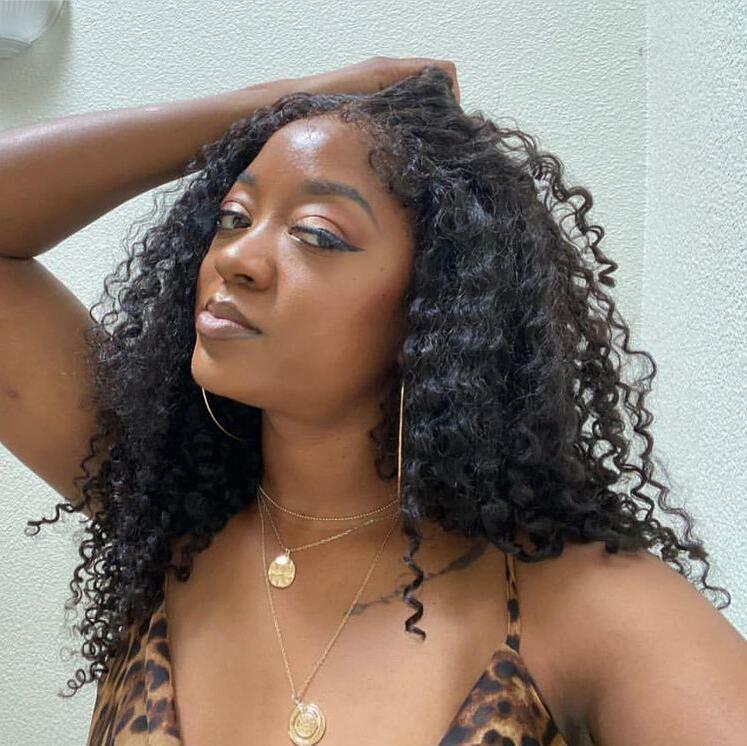
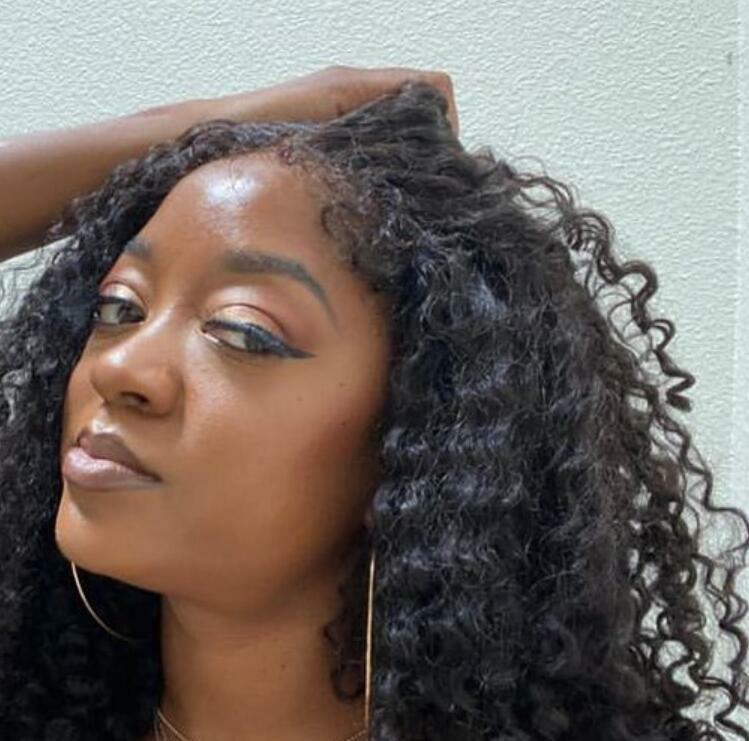
This has become a hack I highly recommend to ladies who love to style sew-ins and wigs with leave-out. It is a healthy styling trick that gives you a trendy look. Simply twist or braid the leave-out section, then style. Viola, you're good to go.
@islandluxe.extensions Replying to @niybedumb The key is very minimal leave out, gel or mousse, a good tight flat twist, and intertwining very small pieces of your hair with the curly hair. If you have fine hair and need more than 1 cm of leave out. A curly traditional sew in may not be for you, and a closure sew in would be a better option #kinkycurly #curlysewin #curlybundle #traditionalsewin ♬ original sound - k.a.r.a.o.k.3
You could also twist or braid before going to bed, then take them down in the morning for a beautiful wavy style. Once you unravel them, separate the strands carefully with your fingers for some curls. Going for this style reduces manipulation and retains the moisture in your hair. While it is simple, it is a healthy alternative to styling with heat.
5. Use Heat Protectant

If you choose to style with heat, always apply heat protectant. And do not be stingy with the product. Make sure to apply a generous amount not only to your leave-out, but to your weaves as well.
Heat protectant creates a barrier that helps protect your strands from damage. So, if you're not generously coating the product on all of your hair yet, make sure the heat tool never touches your strands.
Note: Always apply heat protectant every time you want to style with heat tools.
6. Less Heat, Less Damage
Keep the straightener, curling wand, and other heat styling tools at a low or medium setting whenever you want to style. If possible, keep it at the lowest setting. That way, you can avoid damaging your leave-out and still get a beautiful result.
Generally, a low to medium setting between 250°F and 300°F is okay for your hair. But those with thick, coarse hair could take it a bit higher for a good result.
7. Use Other Styling Options
Earlier, I mentioned styling with twists and braids. Besides those, there are also other styling tools you can use on your leave-out. Rollers and rods are great examples.
@elvinaessie This is the BEST way I have seen to blend type 4 hair to a curly half wig! The other methods are cute but this gives you the most defined curls in my opinion #halfwig #type4hair #leaveout ♬ Stay with U - Baby Boat
These tools can create natural curls and waves in your hair. All you have to do is apply mousse to your hair, then comb the leave-out, and wrap the hair around the rods. Let this air dry all through the night and then unravel the next morning.
Another option is to wear a headband. After styling with heat a few times already, you can take a break and throw a headband on. This will protect your strands from becoming brittle and still give you a beautiful style.
Related Read: 8 Different Ways To Define Curls Without Heat
8. Wrap Your Hair Before Working Out

Sweat is an enemy to already stretched hair. So, if you are working out or you sweat a lot, tie your hair down with a wrap to avoid the sweat from reaching your scalp. The fabric will absorb the sweat and keep your scalp nice and dry.
Simply, put your hair in a ponytail, then wear your sweatband for proper protection. You can also use a satin or silk scarf. But avoid using cotton. The material can dry out your hair.
9. Protect Properly at Night
Besides protecting your hair during the day or prepping beforehand, another way to keep your leave-out safe and healthy is to protect your hair at night.
@elvinaessie This with a drop of biosilk at night will have your hair SO silky and sleek every morning, my FAVOURITE go to! #leaveoutsewin #hairmaintenance #type4hair ♬ THE SHIFT IS NOW - KISA SOUL
Since we tend to toss and turn while we sleep, it's best to take extra precautions by wearing a silk or satin bonnet to bed. You can also use a satin or silk scarf instead. These materials keep the hair safe without causing friction or stripping moisture away from the hair.
10. Choose Closures, Frontals

Take breaks from leave-outs and go for closure or frontal options. These options allow your hair to rest while giving you a natural style. They tuck your hair away, protecting it from constant manipulation, dryness, and breakage.
Closures usually have a piece of lace around 4x4, or 5x5 inches around the crown, and frontals can have around 13x4, depending on what you want.
Both of these hairs are popular for everyday wear and special occasions. Plus, you can remove them and reinstall anytime. So, find some closure and frontal options at Cynosure Hair. They are the perfect styles to replace hair extensions with leave-out.
Conclusion
No matter what you decide to do, be sure to protect your hair. Apply a serum if you choose to continue styling with heat or, better still, go for other styling options. I'm certain that with the right protection and care, your hair will flourish. And do not forget to take regular breaks from leave-out styles.


Leave a comment