


Do 360 Wigs Have To Be Glued?

If you are seeking a versatile, natural-looking hairstyle, then 360 wigs are the option you can make your favourite. Because it runs around the complete perimeter and easily styles wigs in ponytails and buns- options that traditional wigs usually don’t provide.
As they gained popularity in the market, many new buyers raised a question: Do 360 wigs actually need to be glued to look beautiful and stay secure the whole time?
Now, we will outline the installation options that will help you choose the best method, one that easily adapts to your lifestyle and boosts your confidence while wearing it.
What Is A 360 Wig?

A 360 wig refers to a lace wig that offers a natural look and gives an opportunity to style the wig in various ways. Such a wig also allows you to style or part hair all around your head, compared to regular wigs, which only consider the front.
Structure:
The best part concerning a 360 wig is that it has a band of lace wrapping around your whole head. Strands of hair are woven in the centre. That unique 360 wig contrasts with lace-front wigs, allowing you to style the back and sides.
Hairline and Density:
Most 360 wigs typically have a pre-plucked hairline and even balance so that you can have natural parts everywhere on your head. It is easy to make high ponytails, buns, and other updos, and no tracks are visible.
Who Are They For?
The newcomers and old wig wearers are all in love with these wigs—beginners who like the real-world looks, and the advanced ones like the flexibility in styling. All individuals who love ponytails, top knots, and half-ups will have the benefit of having 360-wigs in a seamless design.
The Role of Glue in Wig Application

Note: In wig installation, glue is also an essential alternative in order to have a stable and permanent final look. These types of adhesives are generally used in the application of lace wigs to ensure the lace does not move, so the edges would not easily become lifted when putting in place and while wearing.
Why is glue used on lace wigs?
The wig is secured by lace glue, which looks natural at the hairline. It prevents slipping, minimises gaps, and keeps the laces’ edges flat, particularly in styles that expose the hairline.
Glue vs. gel vs. tape:
The conventional wig glue provides a robust and durable grip. The hold of styling gels is less intense, can be removed easily, but may not last when the hair is moved around or when it becomes moist. Wig tape has a medium grip and is less messy, but tends to lose its grip after some time. Both alternatives possess their own longevity, comfort, and convenience.
When glue is recommended:
Glue is less effective in humid or hot conditions, as sweat can easily weaken the lighter products. It also works excellently in active lifestyles, long wear periods, or outdoor activities. In simple places where stability and hold are more critical than removal, glue will efficiently fulfil your requirements.
Do 360 Wigs Require Glue?
This is an essential question since 360 wigs are known for their versatility, but everyone has different preferences and needs. So the direct and short answer: using glue is very useful, but it is not always necessary.
1. When glue is helpful
Glue is often used when someone wants to wear a 360 wig for long hours or for multiple days, and they don’t want to change or remove the setting. It provides added security during high-wind weather, travel, or physical activities. In all these cases, glue helps prevent the wig from shifting or lifting at the edges.
2. When glue isn’t necessary

Several individuals put on 360 wigs without glue by applying elastic straps, adjustable straps, drawstrings, or combs. These wigs are called glueless 360 wigs. These can hold the wig in and provide a higher level of comfort, easy removal, and you can have reduced stress on your hairline- ideal when not at the office or even at home.
3. What determines the need for glue
To name a few, the shape of the head, the size of the wig cap, the weight, and the density of hair influence the holding capacity of the wig. The wig can be light and well-fitted and may not need any adhesive, but heavier wigs typically require additional support.
Glue Alternatives for 360 Wigs
Glue-free install is gaining popularity as wearers become more concerned with comfort and the health of the scalp. The processes protect without the permanence or cleaning difficulty of liquid adhesives.
1. Wig Tapes

Tapes are always an easier and cleaner way to use. They provide an instant, firm, flexible hold and are very easy to remove and reapply. In daily life, many will choose it when they need a balance of security and convenience in a short time.
2. Elastic Bands and Clips
If you are a beginner, then these are diy friendly, safer options for you. Sewn-in elastic bands provide proper tension to keep the wig snug, while built-in clips offer extra grip. With these unique features, it becomes ideal for daily wear. With this, you don’t need to bear the extra adhesive stress on the hairline.
3. Wig Grip Headbands
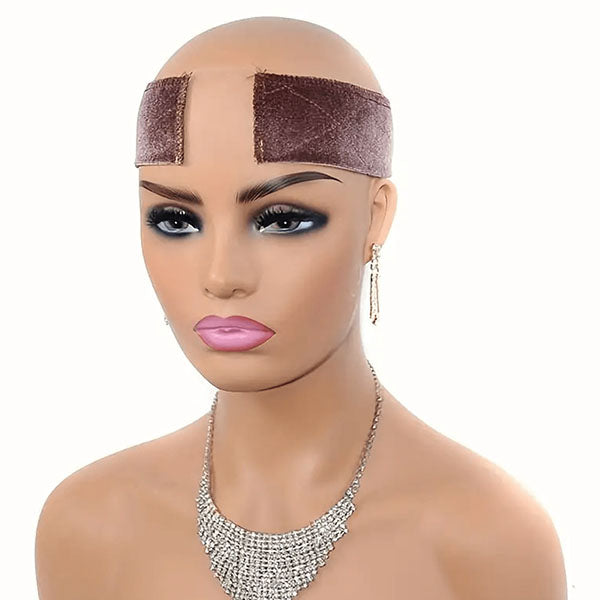
These types of bands use friction methods instead of using chemicals to keep the wig in place. If you have sensitive skin, then that method is perfect for you. Wig grip headbands provide stability and all-day comfort, making them a reliable choice for low-maintenance styling.
Pros and Cons of Gluing 360 Wigs
Gluing a 360 wig can offer a secure and seamless look, but remember it also requires regular maintenance to keep it in its best condition. Not caring properly, you have a chance of damaging your natural skin. By understanding these pros and cons, you can easily wear it in the right way.
Pros:
1. Long-lasting hold
The glue provides a supportive hold, which is ideal for wear.
2. Natural merging
With the right adhesive, a flat, affected, and smooth edge will be formed, and it fuses with your natural hairline.
3. Polished finish
It resembles the natural, polished appearance, and the wig appears to be highly realistic.
Cons:
1. Sensitive Skin Concerns
May is irritating, especially for those who are allergic or have sensitive skin.
2. Maintenance
It has to be maintained as the residue builds up on the hairline and lace.
3. Cleaning Process
The Wigg 360 cleaning process is time-consuming and requires handling.
4. Scalp Health
The scalp appears healthy, free from inflammation.
5. Hair Health
The scalp is healthy with no inflammation or dandruff.
Hair & Scalp Health Considerations
Assuming that you have a sensitive scalp, it will be advisable to ensure a comprehensive cleaning before installing a 360 wig, and to avoid installing multiple installations back-to-back.
Using a skin protector in the first place also comes in handy to reduce the irritation of the scalp.
Removal is crucial; dissolve the glue carefully, exerting all the pressure on the lace. That little action keeps your natural hair and head safe against abnormal disintegration and thinning and keeps your long-term lifeline intact.
Care & Maintenance of 360 Wigs
Using wig 360, proper care is essential to boost the wig’s lifespan, especially when the lace covers the entire perimeter of the head. While holding the wig looks natural and beautiful, proper maintenance protects both the lace and your own hairline.
1. Daily Care Routine
Take care of your wig, especially about the edges, since it is at this point that the lace is most apt to rip. Attempt to avoid constant pressure on the perimeter. The wig should be neatly packed away on the head of a mannequin or in a silk bag when it is not in use, so as to maintain its shape.
2. Washing Frequency
As excessive moisture can weaken the adhesive, glued installations require washing. Using non-glued wigs, you have the option to wash them often. Use high-quality, lace-safe shampoos and lightweight conditioners to maintain the wig’s softness. Regular cleansing is also essential because it prevents adhesive buildups that can make the hairline appear dull.
More Brilliant Tricks to Wear Comfy and with Confidence
● Choose a means of attachment that is appropriate to the amount of time you will be wearing the wig.
● See how active you are and then make your judgment on glue vs. glueless.
● Have it well-fitting so that it does not shift around, causing discomfort.
● You can start with tender, glueless techniques when you are just starting with 360 wigs.
● Safeguard your scalp and hairline using products that are skin-friendly.
● Pull not too hard, or you will tear the lace and make it shed.
● Do not put so much emphasis on a max-strength hold instead of comfort and scalp health.
In a Nutshell
So, if you still have questions, do 360 wigs need to be glued? Not necessarily. The best method depends on your lifestyle, the comfort you want, and what personal needs you are looking for. While glue offers extra security for long-term wear and active needs, it’s not the only option. Glueless procedures are also quite effective with the appropriate fitting.
The point is to select the application that will protect your natural hairline effectively, maintain the good health of your scalp, and be easy to use in your routine. Whichever technique you may adopt, always use caution in application and practice appropriate removal to avoid causes of damage and increase the life of your wig.





Leave a comment