


The Ultimate Guide to Burmese Hair

While the luxury hair market is wholly filled with Brazilian, Peruvian, Malaysian, and Indian hair extensions, Burmese hair is the only emerging one here as a "hidden gem." Its texture is unique and expertly fills the gap between Indian and coarse Asian hairs.
Ethically sourced from Myanmar, it's a costly investment for women seeking rare versatility. With its excellent durability and versatile styling capabilities, Burmese hair easily transforms a simple hairstyle into a beauty asset.
On this journey, we will cover everything from start to finish, thoroughly equipping you with the knowledge you need.
Origin and Ethical Sourcing: Inside Myanmar
Myanmar's unique location between India and China gives its hair an exceptional balance in texture. It naturally blends the strength of Asian hair with the soft movement of Indian hair. This rare combination creates a beautiful, versatile texture that makes Burmese hair especially appealing for wigs and hair bundles.
In simple words, a large amount of authentic Burmese hair supply comes from the traditional Buddhist donation ceremonies, which are usually known as "temple tonsuring. In these ancient rituals, donors are required to shave their heads to demonstrate complete humanity and devotion.
This process ensures that donors' hairs must remain "remy," meaning that cuticles expertly stay aligned in one direction, which helps to keep them in the correct position for future use.
A defining feature of Burmese hair is that the supply comes from the "single donor". This means that each supply bundle is sourced from a single person's head, rather than from floor scraps or multiple donors.
Key Characteristics and Texture Profile

Burmese hair falls into a "middle ground" that is perfect in terms of texture. It is typically much thicker and coarser than the Indian hairs. The best characteristics of this are its length and volume.
But after all these, it also lacks the rigid, bone-straightening quality, which is often easily found in Chinese hair, and they also offer a much softer and more movable feel:
1. Physical Attributes
The most prized feature of Burmese hair is its luster. It usually possesses a low to medium natural sheen, which plays an integral part in generating a realistic look. High luster often looks 'wiggy' under the bright light, but Burmese hair stabilises the natural shininess and keeps the strands hydrated.
2. Resilience Factors
That hair type also boosts the high tensile strength and elasticity of our textured hair. It can easily withstand high-tension styling and manipulation without excessive shedding.
3. Color Base
It usually ranges from natural off-black (1B) through dark brown (2). Never does natural Burmese hair grow in jet-black tonality; thus, variations in color are actually considered signs of good quality.
Why Burmese Curly Hair Stand Out?

1. The FamStandsous "Burmese Curly"
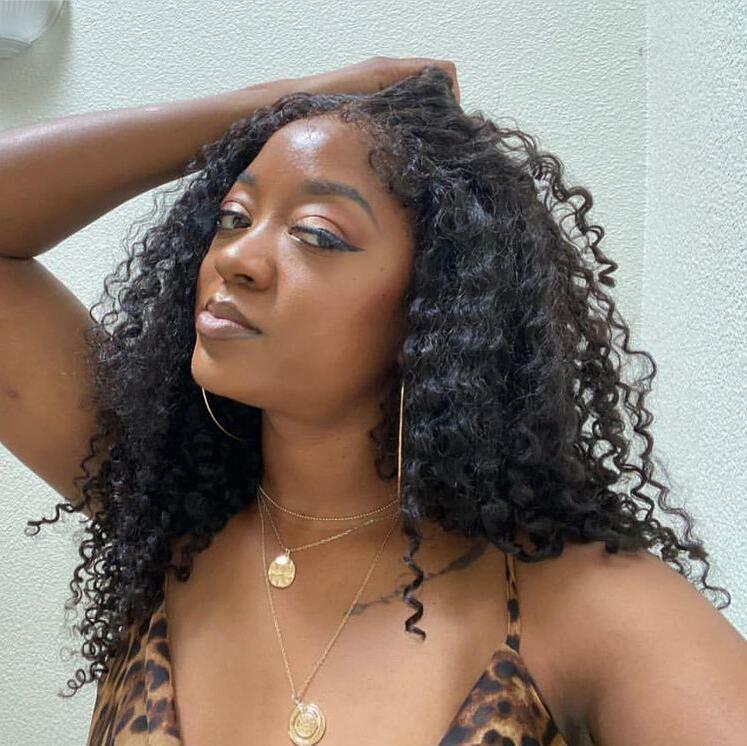
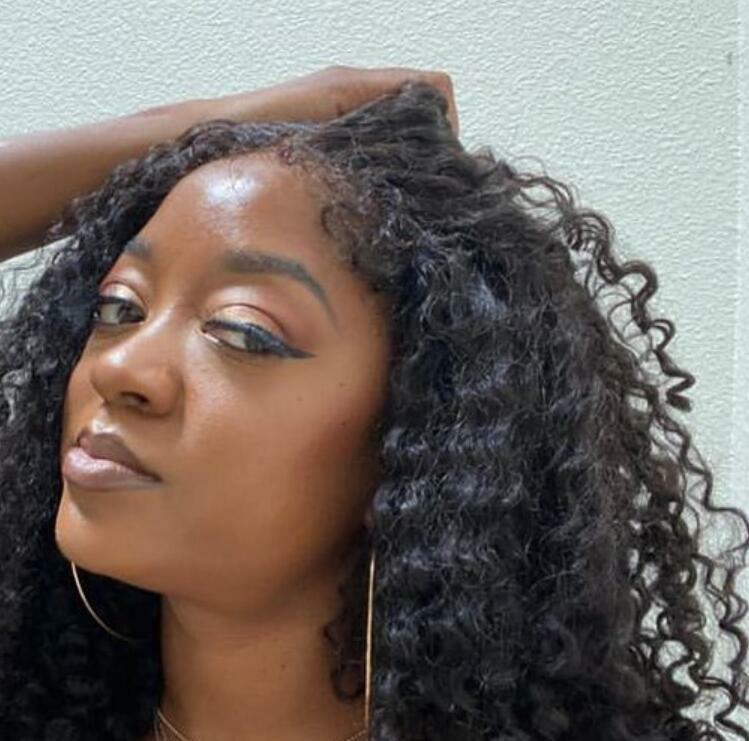
The tight curls familiar with Burmese hair can also be realized by a specialized steam treatment. This involves using hot steam on the hair, which can be styled into either Deep Wave or Kinky Curly patterns without the use of chemicals.
Unlike chemically permanent hair, which dries out and becomes brittle, steam-processed Burmese hair retains its moisture and holds up well. The curl pattern stays rich and alive, always recovering after being washed out and straightened.
2. Texture Matching
This origin provides the broadest range of texture-matching ability. It is a favourite among stylists because it blends easily with any hair type, regardless of whether you have type 2C, 4A, or waves. Whether you leave your natural hair on the upper side or opt for a whole cluster, the blend is very low and can't be detected easily.
Understanding Quality Grades: Single vs. Double Drawn

1. The Natural Look (Single Drawn)
Raw hairs that are available in the market are typically "Single Drawn". This means the bundle contains various Burmese hair lengths that mimic your natural hair.
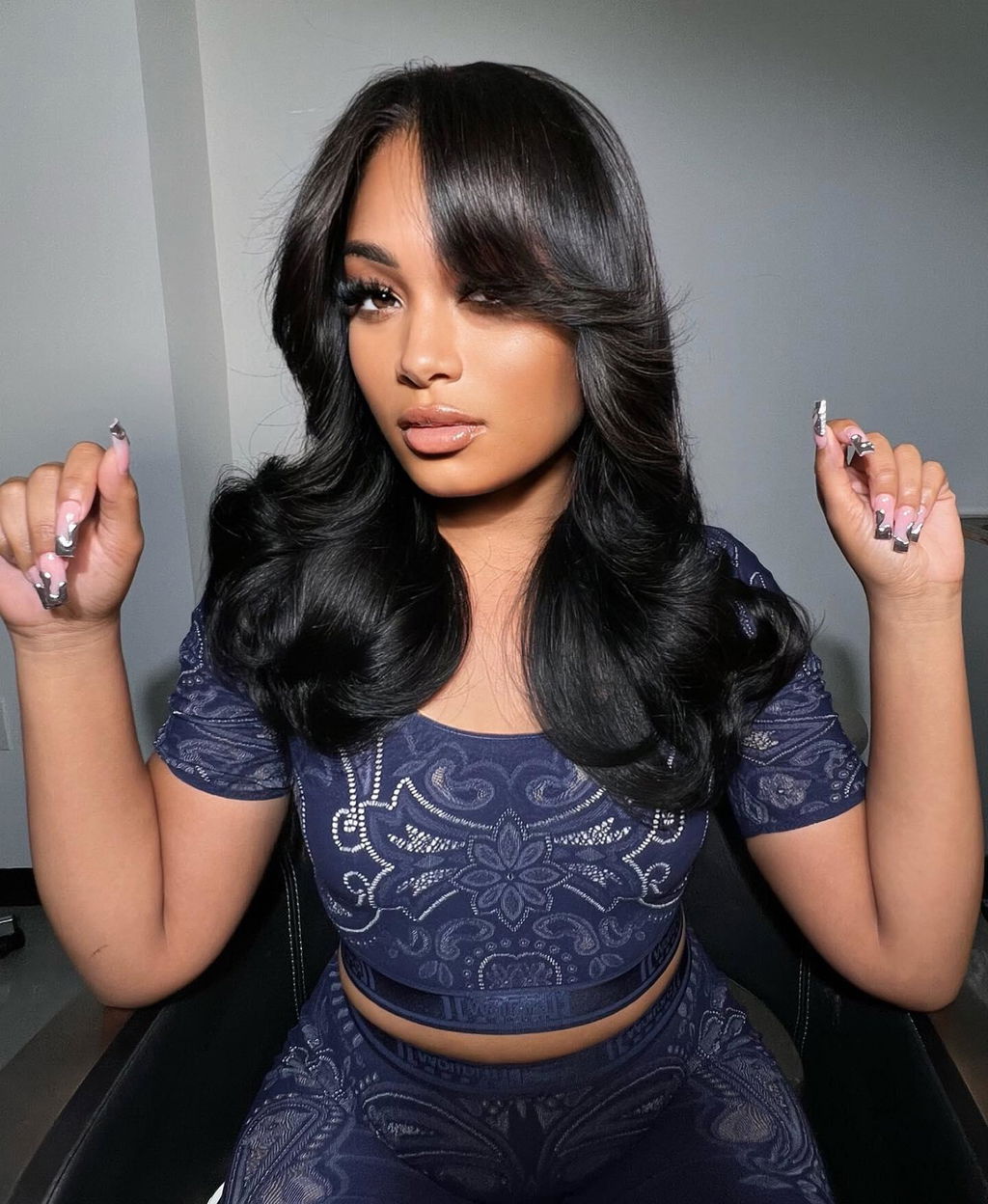
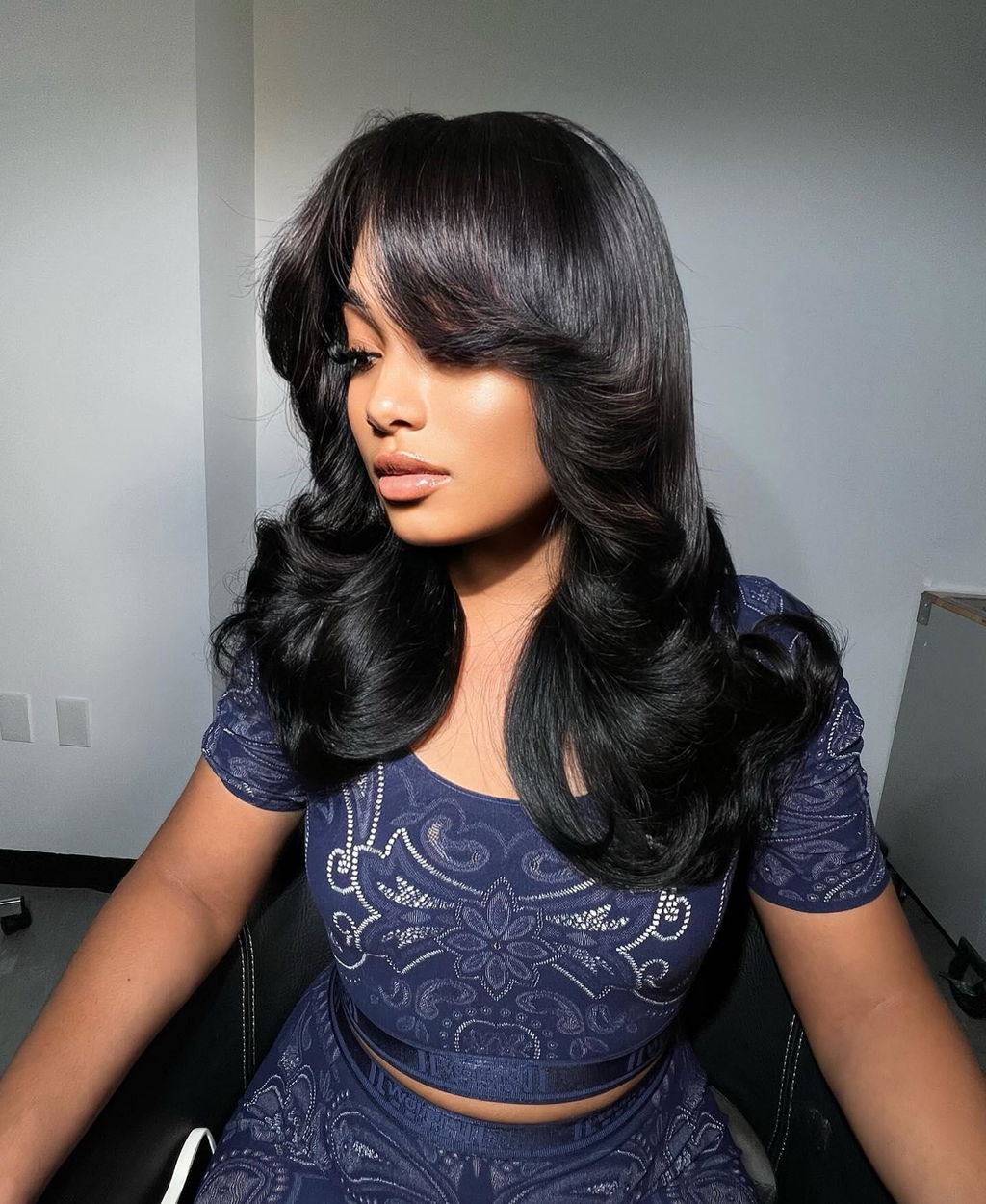
In the end, the effect creates a natural finish where roots are super thick and full, but in the end, a slight realistic taper is produced. It makes a light flow because the body is not heavy or boxed at the bottom.
2. The Glamour Look (Double Drawn)
In contrast, Double Drawn hair undergoes an extra step in which shorter hairs are clipped off by hand. As a consequence, this produces a hair bundle that is always thick from root to tip.
With double burmese, it gives maximum volume and a glamorous look. The disadvantage is that hair is heavier compared to the rest. It is also expensive. For a layered appearance, single-drawn hair is best suited to any condition. But for a blunt bob cut, you cannot possibly avoid Double Drawn hair.
Burmese vs. The Competition
1. Burmese vs. Indian Hair

Indian hair is famous for its luster and fine strands. They easily move in the wind, and their finesse makes them prone to frizzing, which helps them a lot in humid environments.
Burmese hair is fuller and heavier, which makes it hold styles much better in bad conditions. It does not have the "poof" problem and has the proper texture for relaxed/pressed African-American hair, unlike the Indian hair silkiness.
2. Burmese vs. Brazilian Hair
Both of them offer good volume, but Brazilian Hair is soft silk with looser curls, while Burmese Hair is lightweight with fluffy, bouncy curls.
Installation & Blending Techniques
1. Weight Management
Because the Burmese hair is naturally very dense and heavy, proper installation also plays a vital role. The stylist must do a review to ensure that the braiding foundation is strong and can easily support the weight of the wefts.
Often, improper weight distribution can lead to tension alopecia. It ensures that the weight is evenly distributed across your head through professional installation.
2. Blending the "Leave-Out"
Integrating the "Leave-Out for a seamless integration with the leave-out styles. Avoid making your hair pin-straight with a flat iron. Otherwise, use a texturing foam or a light press on your natural hair to integrate the hair extensions, which have less shine and some texture to them.
For edge control, avoid shiny and greasy gels. Instead, use matte paste or edge controls that blend with your hairline to give it the raw, natural look that the hair extensions have.
3. Wig Construction
While making a wig, the "Ratio Rule" must also be considered. A 3 Bundle Burmese wig will weigh the same as a 4 Bundle Indian wig. It's easy to overdo it with this texture.
It's very easy to bind with natural texture, but if you add too much hair, then the wig may look unnatural, bulky, and "wiggy. Try to adjust the value that looks natural.
Essential Care & Maintenance Routine
1. Washing Protocol
Everyone knows that moisture is the lifeline of coarse hair. It's essential to do a co-washing with conditioner to maintain the overall moisture levels.
Avoid harsh shampoos because they contain sulfates that will affect the Burmese hair's life line. Actually, these detergents strip natural oils from the cuticles and directly lead to dryness and tangling. Take expert advice and use a hydrating cleaner when a deep clean is necessary.
2. Nighttime Protection
Protecting your investment while you are sleeping is non-negotiable. For this, use a "pineable Method 'in which hairs are gathered into a high, loose ponytail to preserve the curl pattern and volume.
For extra protection, sleep on a satin or silk pillowcase and also wear a satin bonnet. Remember, cotton absorbs moisture easily and causes friction frizz, which affects the texture's health.
3. Daily Styling
For daily definition, water and mousse have always proved a "Holy Grail" combination. This duo excellently defines a burmese curl, without leaving them crunchy or stiff.
You only face the detangling when your hair is wet and saturated with conditioner. Always use a Denman brush or a wide-tooth comb, which gently starts from the end and works in completely, carefully to prevent breakage.
Styling Versatility: Heat and Color
1. Heat Tolerance
A true hallmark of quality raw is the "reversion test". You can easily flatten Burmese hair bone straight, and once it gets wet, it easily shapes back into the original pattern.
2. Coloring Capability
Because the cuticles are always intact, Burmese hairs must be professionally bleached and dyed to lighter blondes (like #613) without melting. That process protects the inner core and also makes the hair softer.
Why Cynosure Hair Is the Trusted Name in Burmese Hair Wigs
Cynosure Hair is a trusted platform for premium Burmese Hair wigs, known among users for quality, authenticity, and reasonable customer satisfaction. With years of hands- on experience in the wig field, our specialist team carefully crafts the wigs that offer natural textures, durability, and flawless blending.
Backed by excellent user reviews, we always try to deliver luxury Burmese Hair wigs, expert support, and a confident, beautiful experience that meets every customer's satisfaction.
In a Nutshell
Burmese hair extensions offer many benefits: unmatched durability, a seamless texture match with natural hair, and incredible styling versatility. Due to gains from real donor hair, they also look and behave like real hair.
While the upfront cost is higher than what you find at the local beauty supply store, the price per wear is significantly lower. With a lifespan of multiple years, it allows you to stop buying cheap hair every few months and will enable you to start investing in a crown that lasts.

Leave a comment