


180 VS 220 VS 250 Density Wigs, How To Choose?

When choosing a wig to enhance your fashion, the wig density will always be crucial in determining the kind of naturalness and lifelike appearance you will achieve once it is mixed with your hair.
Don't know about wig density? It is the number of locks of hair sewn into the wig that determines the volume and thickness of your look.
In the market, 150% is a decent wig density. But with increasing customer demand, more and more high-density wigs appear. The densities of 180%, 220%, and 250% are the most sought after.
They provide different results. When you understand these differences, you will find it easy to select a wig that suits your face shape and style.
This straightforward guide will help you understand all the differences so that you can select the type that will suit your beauty goals.
What Is Wig Density?

Usually, wig density is the amount of hair that is installed on a wig cap, traditionally expressed as a hair percentage that indicates how thick your wig will look.
A higher percentage means there will be more strands placed together, and a lower rate means a lighter and lower hair, usually used for a more natural appearance. These few measurements define how thick and thin your wig will look.

1. Common Wig Density Standards
In the hair market, users usually considered the 130-150 because they came in a natural baseline for high styling. Higher densities will match your goals. After all these, 300 is the thickest one and is used to generate bold volume.
2. Effects of Density on Appearance
The density of wigs influences their looks and feel. Higher density may be required if you love thick hair. Low densities are natural and easily movable as they are light in weight.
With curly hair, you may not need higher densities, but for straight hair, you do.
Densities add volume and also to the styling options, and they will be heavier.
Understanding 180% Density Wigs
180% density wigs give you a full, lush look with plenty of volume—while still looking natural and effortless.

1. Fit for all hair textures
A 180% density wig is not excessive. The best part of this density is that it works great with almost all hair textures, from straight, body wave, to loose wave and curly that appear fuller without the need for extra hairs.
2. Full but natural
It offers sufficient volume, and at the same time, it moves easily and appears natural. Its combination is the main key that balances and makes it a daily workhorse.
It is ideal for medium lengths, with either lightweight comfort or everyday realism, which matters most. This option also works great for those who are looking for lightweight and low-maintenance options.
3. Versatile
It works for daily routines, work environments, and casual social events, where a subtle look is preferred over dramatic volume.
Understanding 220% Density Wigs
For an extra fuller and more luxurious look, a 220% density wig always offers a significant step in volume.

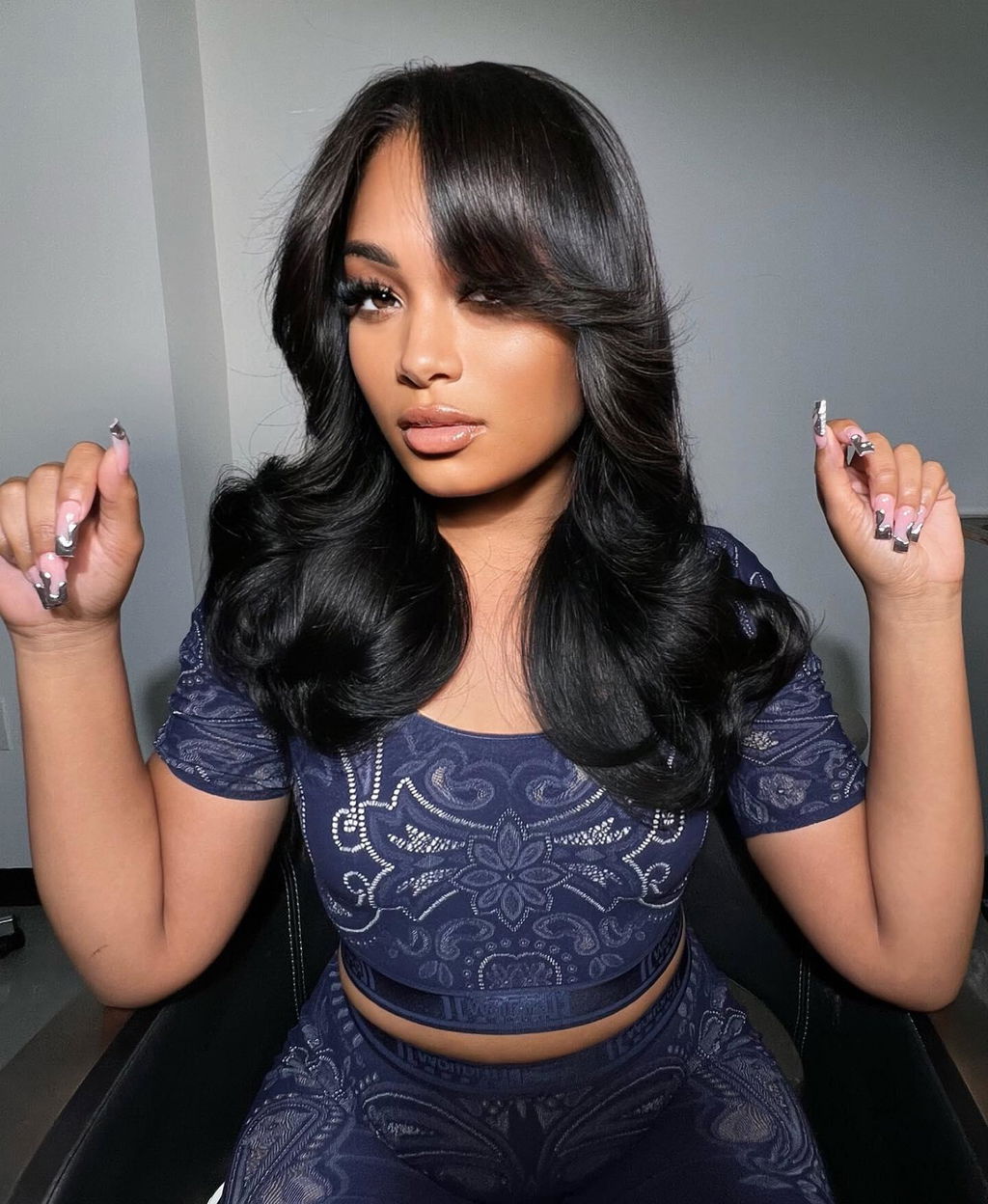
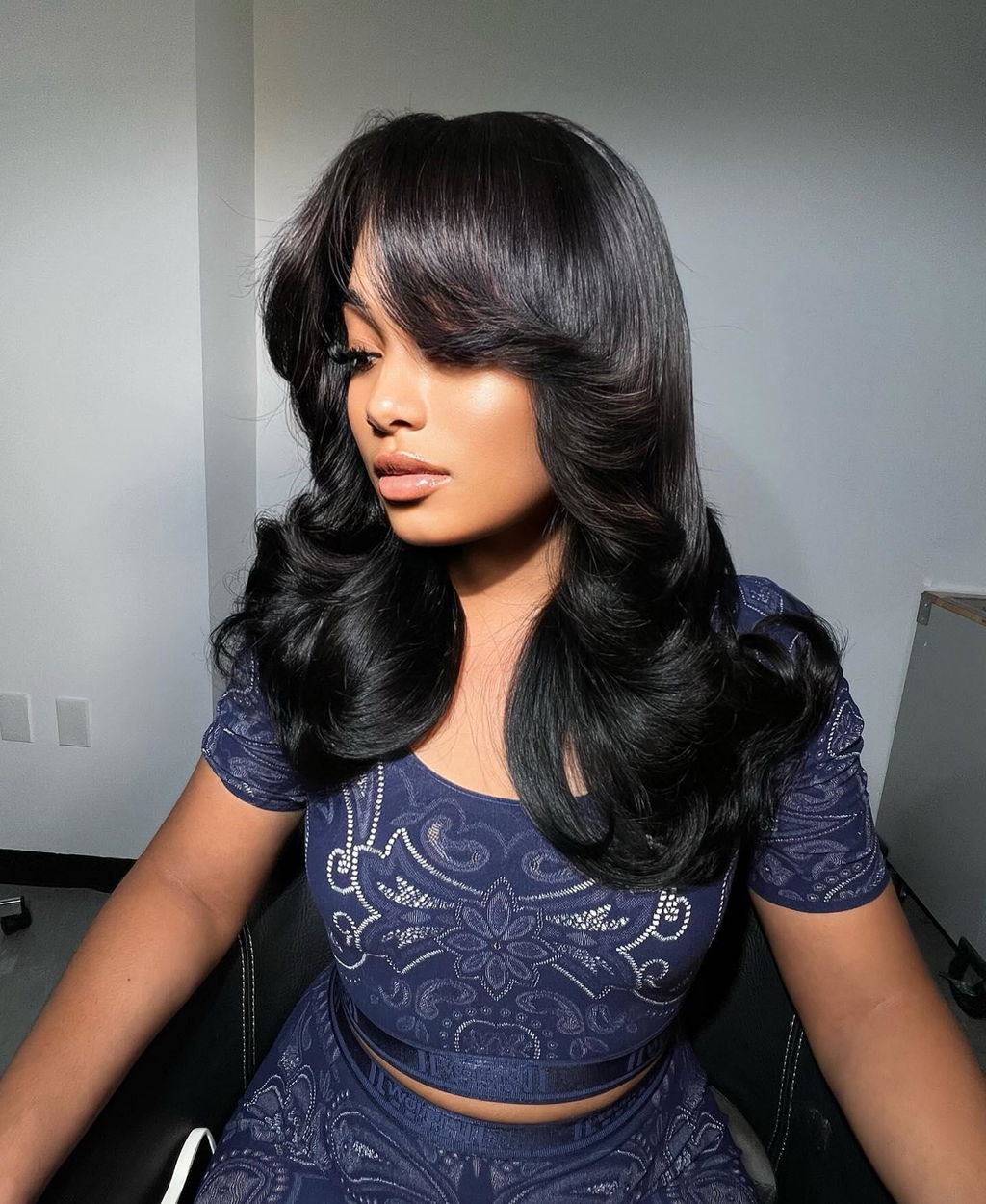
220% Density 4/27 Highlight Water Wave 360 Lace Frontal Wig
220% density wigs offer serious body while still keeping structure and movement. The added fullness supports layered cuts and textured styles, giving even lighter looks more presence—voluminous, polished, and bold without feeling heavy.
This density attracts everyone who desires a versatile wig. One can wear it at a regular day job or make a night out of it without changing wigs.
Although still comfortable to wear over a long time, the 220 wigs are much heavier than the 180 percent. An adequate fit and proper placement of the cap make it comfortable, particularly on hectic days or even during the heat.
Understanding 250% Density Wigs
To achieve max volume and glam, 250 percent is the final decision to make for high-impact styling.

1. Appearance and Volume
The most dramatic and voluminous wig that comes under the usual choices is 250 percent. A 250% density wig ensures full ends, thick even in extra-long wigs that exceed 28 inches.
Hair looks thick from its roots to its ends, creating a bold and luxurious figure that is meant to be noticeable, rather than to be mixed. Ideal when it comes to statement looks and the high-end style.
2. Ideal Occasions and Uses
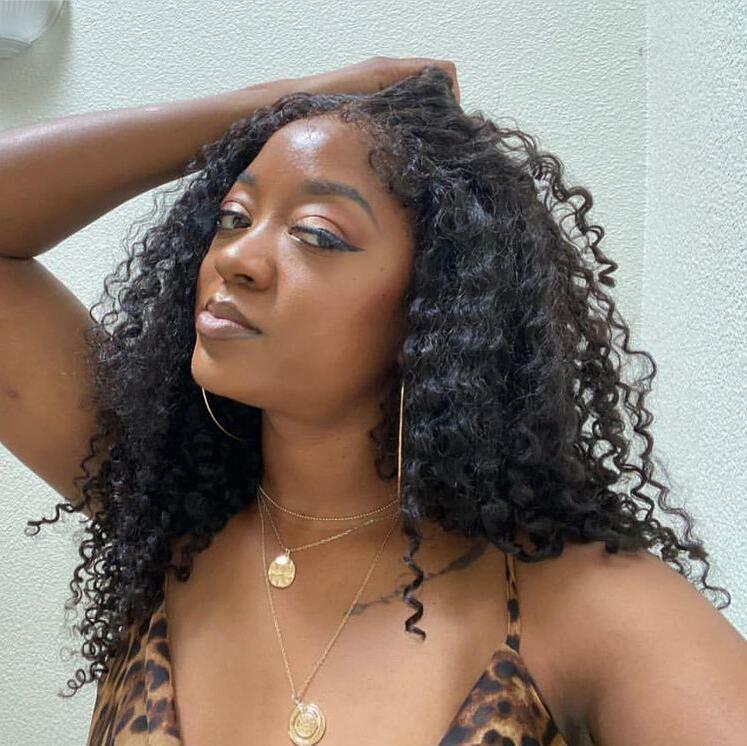
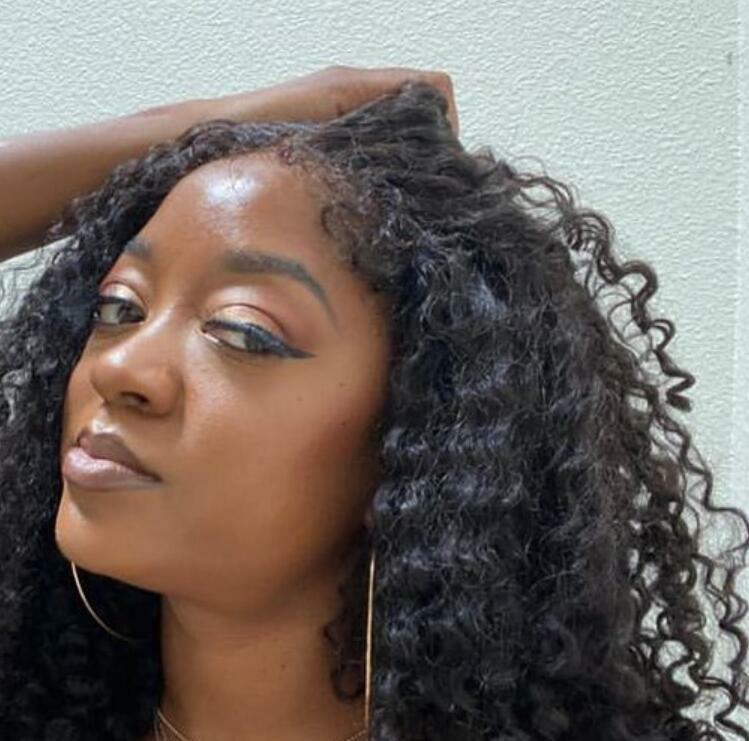
Apply it when it is essential to make a huge impression- photoshoots, bridal hairstyle, stage show, and other formal events. That density is especially suited for deep waves, kinky curly, and coily textures that are treated with extra hairs. It is a trend choice that emphasizes voluminous and camera-ready finishes.
3. Styling Versatility
250% wigs are perfect with big curls, deep waves, or layers, and there is a surge of hair. With 250% density, you can enjoy bold cuts. Heavy layers and sculpted styles without being visibly thinning. It is ideal for bold, creative hair because stylists can experiment without worrying about thin spots or loss of shape.
4. Comfort and Maintenance
The extra hairs, which are 250%, can also affect the comfort during long-term wear. Because of its extra weight, 250% density works best for an event rather than casual use. From the start, getting this wig right means fitting the cap just so. A snug base makes all the difference through long hours. Comfort sticks around when care stays consistent.
Best Hair Lengths & Textures for 180%, 220% & 250% Density Wigs

Wig density must be matched to both hair length and texture to create the balanced look. Usually, 180% density wigs work best with straight, body waves, and loose waves textures in 18-22 inches, where natural movement and lightweight realism matter most.
Want to go with longer lengths, like 24, then 220% density is perfect for wavy, curly, and layered styles, as extra density prevents thin ends and maintains the whole shape.
If you want something bold, then 250% density is for you. Words excellent with kinky curly, deep wave, coily, or extra long hairstyles, and its length is over 30 inches. In which high volume helps to avoid flat roots, sparse tips, and dramatic loss of fullness.
Comparing 180, 220, and 250 Densities: Key Differences
1. Visual Volume and Appearance
180 Density: Natural finish, soft, and it appears like real hair.
220 Density: This is a noticeable volume that moves in a natural manner but with a styled feel.
250 Density: Fullness, heavy, vigorous, and dramatic.
2. Styling and Versatility
180 Density: Good with easy, low effort appearance; not good with heavy curls.
220 Density: Flexible, also switches to casual day to evening glam.
250 Density: The freedom is maximum to use big curls, layers, and sculpted styles.
3. Comfort and Wearability
180 Density: Lightest and most comfortable of all to wear long.
220 Density: usually, this type adds balanced weight and offers a beautiful structure without doing excessive scalp tension.
250 Density: the heaviest option among all, requires extra secure installation and professional styling to produce the best experience.
4. Best Use Cases
180 Density: works excellently in daily routines, office environment, and for casual settings.
220 Density: It is great to wear every day and also works well for special occasions.
250 Density: If you have a job where you have to go to stage performances or formal events, then that is the perfect opportunity to fill your requirements.
Choosing the Right Density for You
1. Lifestyle Fit
While choosing the wig density, your daily routine is the best entry point to consider the wig density. A simple rule is that longer and curlier hair always requires more density to look polished. If you prioritize comfort and low effort in styling, then lighter densities are the option for you.
If you frequently attend social events or love to change looks often, medium to high densities always offer the flexibility you need without requiring multiple wigs.
2. Face Shape and Aesthetic Goals
Your casual routine is the stylish entry point to consider the wig density. However, lighter consistencies are the option for you if you prioritize comfort and low trouble in styling.
However, medium to high consistency always offers the flexibility you need without taking multiple hairpieces, if you constantly attend social events or love to change aesthetics frequently.
3. Maintenance and Budget
While using wigs, remember that higher densities require more time, specialized care, and styling products to maintain their quality. They are also generally more expensive due to their large amount of hair and the extra construction process.
Why Choose Cynosure Hair for 180, 220, & 250 Density Wigs
At Cynosure Hair, we specialize in 180, 220, and 250 density wigs, which are crafted to deliver natural movement, long-lasting durability, and high comfort. With these, our products give consistent positive reviews for their softness, perfect fit, and durable quality. Trusted by international hair experts and loved by customers from all over the world. We always deliver reliable style, multiple volume options, and bold confidence in every purchase.
In a Nutshell
Choosing between 180, 220, and 250 density always depends on how you want to look in a new style and how you feel about your daily working routine. The proper wig density is determined by how length, texture, and lifestyle work together, not by their thickness alone.
Remember, density is produced to serve a unique purpose, like 180 is used to generate natural realism, and 220 beautifully balances the volume and body style. The last 250 is made to generate dramatic and bold effects on the whole personality.
Between them, there is no best option that you can choose; one automatically fits itself, suits your lifestyle, face shape, and overall personal style. After doing all, finally, when density meets your needs, and personally, then natural confidence boosts all your work. So it's not about trends; it's all about following trends and feeling comfortable to remain true to yourself.


Leave a comment